
Kenya is a land of incredible diversity, where vibrant cultures meet breathtaking landscapes and ancient history. From the iconic savannahs teeming with wildlife to the pristine coastlines and the deep canyons holding secrets of human origins, it offers an unparalleled travel experience. Planning your adventure for 2026, you’ll discover why Kenya remains a top destination for explorers. This guide will highlight the 13 best Tourist and Archaeological Sites in Kenya, offering invaluable insights for your journey.
Unveiling Kenya’s Timeless Wonders:2026 Travel Guide
1. Maasai Mara National Reserve
The Maasai Mara is arguably Kenya’s most famous wildlife sanctuary. It is world-renowned for its exceptional populations of lions, leopards, cheetahs, and elephants. The reserve also hosts the spectacular Great Migration, where millions of wildebeest and zebras traverse the plains.
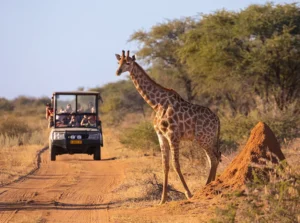
Witnessing the river crossings during the migration (July to October) is an unforgettable spectacle. Game drives are the primary activity, offering close encounters with Africa’s “Big Five.” Consider a hot air balloon safari at dawn for a truly magical perspective.
Travel Tip: Book safaris well in advance, especially during peak migration season. Choose a reputable tour operator for ethical wildlife viewing.
2. Amboseli National Park
Amboseli National Park offers postcard-perfect views of Mount Kilimanjaro, Africa’s highest peak. Its dry, dusty plains are home to large herds of elephants, often seen against the stunning mountain backdrop. The park’s diverse ecosystem includes plains, woodlands, and swamps.
These varied habitats attract a rich array of wildlife, including lions, cheetahs, giraffes, and zebras. Birdwatching is also excellent, with over 400 species recorded. Amboseli is famous for its elephant research, providing a unique opportunity to learn about these magnificent creatures.
Travel Tip: Early morning is best for clear views of Kilimanjaro. Wear layers as temperatures can change quickly.
3. Lake Nakuru National Park
Lake Nakuru is a shallow, alkaline lake renowned for its vast flocks of flamingos, though their numbers can vary. The park is a critical sanctuary for rhinos, hosting both black and white rhinoceros species. It also boasts leopards, lions, giraffes, and waterbucks.
Game drives around the lake and through the surrounding woodlands are highly rewarding. Baboon Cliff and Out of Africa viewpoints offer panoramic vistas. This park is smaller than other reserves, allowing for more concentrated wildlife viewing.
Travel Tip: Bring binoculars for birdwatching and comfortable shoes for any short walks. Check recent flamingo sightings before your visit.
4. Lamu Old Town
Lamu Old Town, a UNESCO World Heritage Site, is one of Kenya’s oldest and best-preserved Swahili settlements. It showcases a unique blend of Swahili, Arabic, Persian, Indian, and European influences. The narrow streets are free of cars, with donkeys serving as the primary mode of transport.
Explore the bustling waterfront, visit the Lamu Museum, and admire the intricate Swahili architecture. A dhow trip at sunset offers beautiful views of the town from the water. Lamu offers a tranquil escape from modern life.
Travel Tip: Dress modestly out of respect for local culture. Be prepared to walk a lot or use a donkey taxi.
5. Fort Jesus, Mombasa
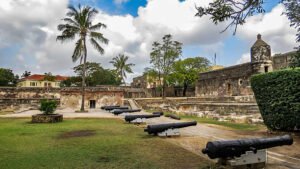
Fort Jesus, another UNESCO World Heritage Site, is a monumental Portuguese fort built in the 16th century. It stands as a significant example of Portuguese military architecture from that era. The fort played a crucial role in controlling trade routes along the East African coast.
Today, it serves as a museum, showcasing artifacts from the various historical periods it endured. Explore its battlements, courtyards, and exhibition rooms to delve into Mombasa’s tumultuous past. The sound and light show provides an engaging historical narrative.
Travel Tip: Hire a local guide to fully appreciate the fort’s complex history. Wear comfortable shoes for walking on uneven surfaces.
6. Gede Ruins
The Gede Ruins represent the remains of a medieval Swahili town, mysteriously abandoned in the 17th century. Located near Malindi, this archaeological site reveals a sophisticated urban center with mosques, a palace, and well-preserved residential houses. Its origins date back to the 12th century.
Wander through the overgrown ruins, marveling at the coral stone architecture and the impressive tree cover. The site’s enigmatic abandonment continues to intrigue historians and archaeologists alike. It offers a fascinating glimpse into a once-thriving coastal civilization.
Travel Tip: Visit early in the morning or late afternoon to avoid the midday heat. Keep an eye out for resident monkeys.
7. Koobi Fora Archaeological Site (Sibiloi National Park)
Located on the shores of Lake Turkana, Koobi Fora is a critically important archaeological site. It is part of Sibiloi National Park, a UNESCO World Heritage Site often referred to as the “Cradle of Mankind.” Significant hominid fossils, including Homo habilis and Homo rudolfensis, have been unearthed here.
These discoveries have profoundly shaped our understanding of human evolution. The site offers insights into early human settlements and their tool-making capabilities. A visit here is a journey back millions of years.
Travel Tip: Access to Koobi Fora can be challenging and requires prior planning, often involving flights and specific tour arrangements. Consult tour operators well in advance.
8. Mount Kenya National Park
Mount Kenya is Africa’s second-highest peak and a UNESCO World Heritage Site. The national park protects the magnificent mountain, its glaciers, and surrounding ecosystems. It offers diverse landscapes ranging from dense forest to alpine moorland and jagged peaks.
Hikers can attempt to summit Batian, Nelion, or Lenana peaks, while others can enjoy shorter treks through the lower altitudes. Wildlife such as elephants, buffalo, and various antelope species can be found in the forest zones. This is one of the premier Tourist and Archaeological Sites in Kenya for adventurers.
Travel Tip: Acclimatization is crucial for high-altitude trekking. Ensure you have appropriate gear for varying weather conditions.
9. Malindi & Watamu Marine National Parks
These adjacent marine parks on the Indian Ocean coast offer spectacular underwater experiences. Malindi and Watamu are renowned for their vibrant coral reefs, diverse marine life, and pristine beaches. They are ideal for snorkeling, diving, and glass-bottom boat tours.
Spot colorful fish, sea turtles, and even dolphins in these protected waters. The parks are vital for marine conservation and offer a refreshing contrast to safari adventures. Relaxation on the beautiful sandy beaches is also a popular activity.
Travel Tip: Wear reef-safe sunscreen to protect the delicate marine ecosystem. Check tide times for optimal snorkeling conditions.
10. Olorgesailie Archaeological Site
Olorgesailie is another significant prehistoric site in Kenya, famous for its abundance of stone tools. Dating back over a million years, it provides crucial evidence of early human behavior and tool manufacture. The site features well-preserved archaeological layers and ancient lakebeds.
Visitors can walk among the ancient tools, primarily hand axes, left by Homo erectus and other early hominins. Informative displays explain the significance of the findings and the lives of our ancient ancestors. It’s an open-air museum of human ingenuity.
Travel Tip: A local guide can enhance your understanding of the archaeological significance. Combine this with a visit to Nairobi National Park, which is relatively nearby.
Frequently Asked Questions (FAQs)
Q1: Is Kenya safe for tourists in 2026?
A1: Kenya is generally safe for tourists, especially within popular safari circuits and major cities. It is advisable to exercise standard precautions, stay informed about local conditions, and use reputable tour operators. Many of the Tourist and Archaeological Sites in Kenya are well-managed.
Q2: What is the best time of year to visit Kenya?
A2: The best time to visit Kenya depends on your interests. For wildlife viewing, the dry seasons (January-March and July-October) are ideal, especially for the Great Migration. For birdwatching, the wet seasons (April-June and November-December) are excellent.
Q3: Do I need a visa to travel to Kenya?
A3: Most visitors to Kenya require an Electronic Travel Authorisation (ETA) or a visa. It is essential to apply for your ETA or visa in advance through the official Kenyan government portal. Check current requirements based on your nationality well before your trip.
Q4: What currency is used in Kenya, and what health precautions should I take?
A4: The official currency is the Kenyan Shilling (KES). US dollars are widely accepted in tourist areas but carrying local currency is recommended for smaller purchases. For health, consult your doctor about necessary vaccinations (e.g., Yellow Fever) and malaria prophylaxis before traveling to Kenya.
Conclusion
Kenya offers a travel tapestry woven with incredible wildlife, profound history, and vibrant culture. From the roar of a lion in the Maasai Mara to the ancient whispers of Olorgesailie, each site presents a unique narrative of this remarkable country. Planning your visit to these Tourist and Archaeological Sites in Kenya for 2026 will ensure an adventure filled with discovery and unforgettable memories. Embrace the spirit of exploration and let Kenya captivate your heart.